
My wishlist currently has about thirty items sitting in it, and I genuinely expect to buy maybe five of them eventually. That’s not a failure of the list — it’s basically doing exactly what it’s supposed to, filtering out the stuff that only felt exciting in the moment.
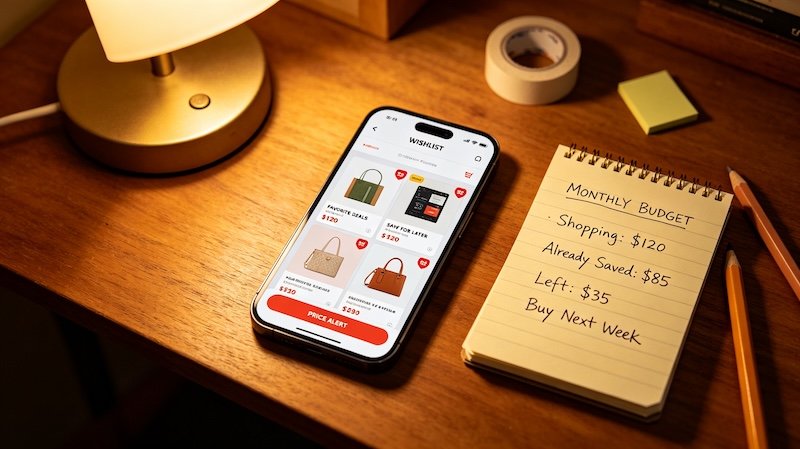
The Wishlist as a Filter, Not a Shopping List
Rather than treating a wishlist as a queue of guaranteed future purchases, it works better as a filter — a place where fleeting interest can either fade naturally or prove itself over time.
How Often to Actually Check It
Checking too often turns the wishlist into just another feed to scroll. A periodic review — every week or two — strikes a better balance between staying intentional and not obsessing over it.
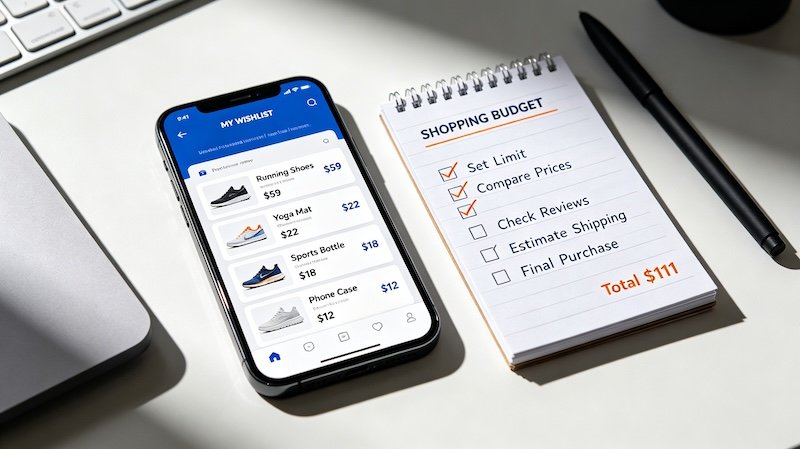
- Save items to your Wishlist instead of buying immediately
This is a built-in feature specifically designed for holding onto items without committing right away.
- Revisit the wishlist periodically rather than constantly
Checking back every few days, rather than obsessively, keeps the process useful instead of stressful.
- Remove items that no longer feel worth it
It’s normal for interest in a saved item to fade — trimming the list keeps it focused on things you actually still want.
- Buy only when an item has stayed on your list for a while
Longevity on the list is a much stronger signal of genuine interest than the initial excitement of discovery.
The Payoff Over Time
This approach naturally supports avoiding impulse buying without requiring constant willpower — the delay does most of the filtering on its own. Related reading: How Long to Scroll Before Buying.
FAQ
How is a wishlist different from just leaving items in your cart?
A wishlist is meant for longer-term saving without any checkout pressure, while a cart implies a more immediate purchase intent.
How often should I review my wishlist?
Every week or two is reasonable for most people — frequent enough to act on real interest, not so often it becomes another distraction.
Is it normal to remove most items from a wishlist without buying them?
Yes, that’s actually the point — a wishlist filters out fleeting interest, so a shrinking list over time is a good sign, not a failure.
Does using a wishlist save money in practice?
For many people yes, since it naturally reduces impulse purchases by inserting time between discovery and buying.