
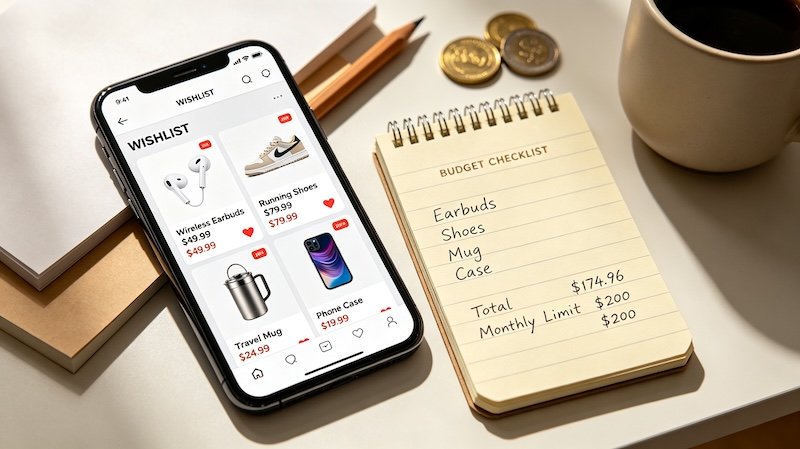
I noticed a stretch of a few months where nearly everything in my order history was something I’d bought within minutes of first seeing it — once I actually looked at the pattern laid out, it was obvious how often the feed itself was driving the decision rather than an actual need.
Why This Happens So Easily on TikTok Shop
The path from seeing a product to buying it is unusually short compared to traditional shopping — a compelling video, a tap, and checkout, all within the same scroll session.
Small Friction Points Help
Adding even a small pause — saving to a wishlist instead of checking out immediately, or setting a personal waiting rule — reintroduces the kind of deliberate decision-making the fast feed tends to skip.
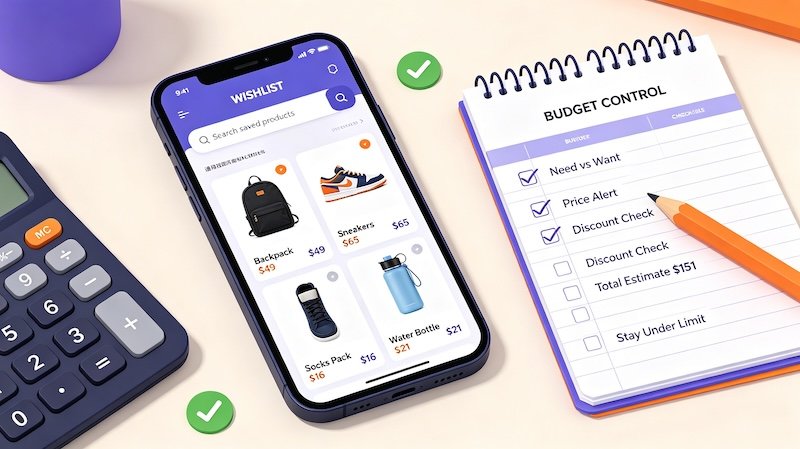
- Save items to your cart or wishlist instead of checking out immediately
This creates a built-in pause between seeing something and actually buying it.
- Set a personal rule for waiting before purchasing
Even a simple rule, like waiting until the next day, filters out a lot of purchases that wouldn’t have felt necessary later.
- Track what you’ve bought recently
Seeing a running list of recent purchases makes patterns of impulse buying easier to notice.
- Unfollow or mute accounts that consistently trigger impulse purchases
If a specific seller or type of content reliably leads to unplanned buying, reducing exposure to it can help more than willpower alone.
Spotting Your Own Pattern
If a specific type of content or seller consistently leads to impulse purchases, muting or unfollowing selectively can reduce that exposure without cutting off deals you actually want to see. If you’re curious, How Long to Scroll Before Buying covers related ground.
FAQ
What makes TikTok Shop particularly prone to impulse buying?
The combination of engaging video content, a fast-moving feed, and a very short path from seeing a product to checking out all contribute to quicker decisions.
Does using a wishlist actually reduce impulse purchases?
For many people yes, since it adds a deliberate pause between discovering a product and actually buying it.
Is impulse buying always a bad thing?
Not necessarily, but noticing the pattern helps ensure it’s an occasional choice rather than a default habit.
How can I tell if I’m impulse buying too often?
Reviewing recent purchases for items you rarely use or later regretted is a simple way to spot the pattern.