
I used to dread brushing season with a stiff, generic brush that barely made a dent in loose fur, until a friend recommended switching to a proper deshedding tool matched to my dog’s coat type — the difference was immediate.
What Actually Matters Beyond the Video
Beyond how a grooming tool looks in a video, coat-type fit, gentle handling, and easy cleanup are the details that determine whether it holds up in regular use.
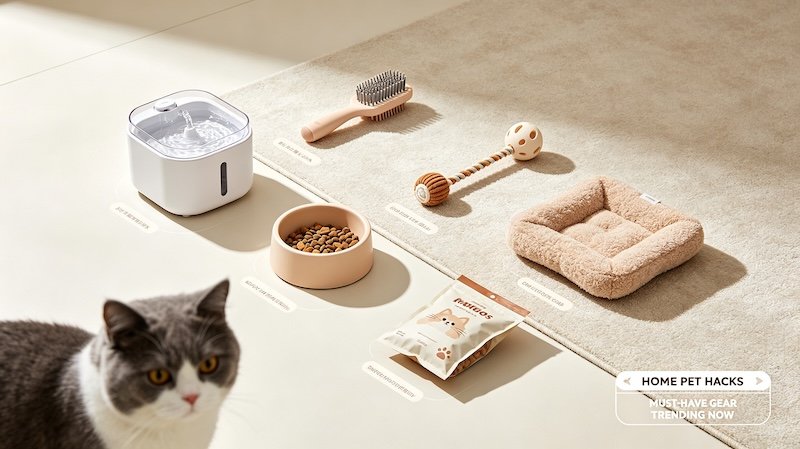
- Check the tool’s design for your pet’s coat type
Deshedding tools, slicker brushes, and mats each work differently depending on whether a coat is short, long, or double-coated.
- Look for adjustable or gentle settings
Tools with adjustable pressure or gentler bristles reduce the risk of discomfort for sensitive pets.
- Check for easy cleanup features
Self-cleaning brushes or tools with a button-release for collected fur tend to see more regular use.
- Read reviews mentioning specific breeds or coat types
Reviews from owners with a similar coat type are more useful than general star ratings for judging fit.
Rounding Out a Pet Care Routine
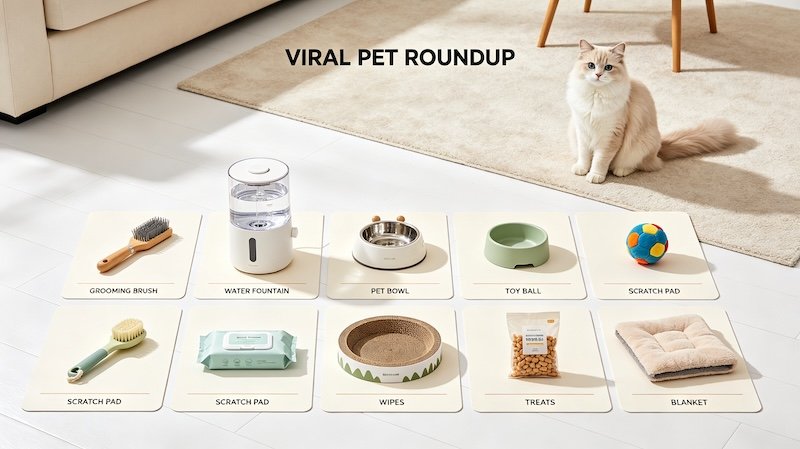
A proper grooming tool pairs naturally with a few budget-friendly pet finds under $20 to round out a full at-home care routine. For more on this, see 10 Viral Pet Products Worth Buying.
FAQ
Do grooming gadgets actually reduce shedding?
Regular use of an appropriate tool can meaningfully reduce loose fur around the home, though shedding itself is a natural process that continues.
Are grooming tools safe to use at home without training?
Most basic tools are safe with care, but starting gently and researching proper technique is a reasonable approach.
How often should grooming tools be used?
It depends on the coat type and season, so checking product guidance and adjusting based on shedding levels works well.
Do grooming gadgets replace professional grooming?
For many pets, at-home tools can handle regular maintenance, though periodic professional grooming may still be useful for certain coat types.